A wheel webshop for Norway where buyers find the rims that fit their car by registration number. The catalogue updates itself every night. Built in about 17 days.
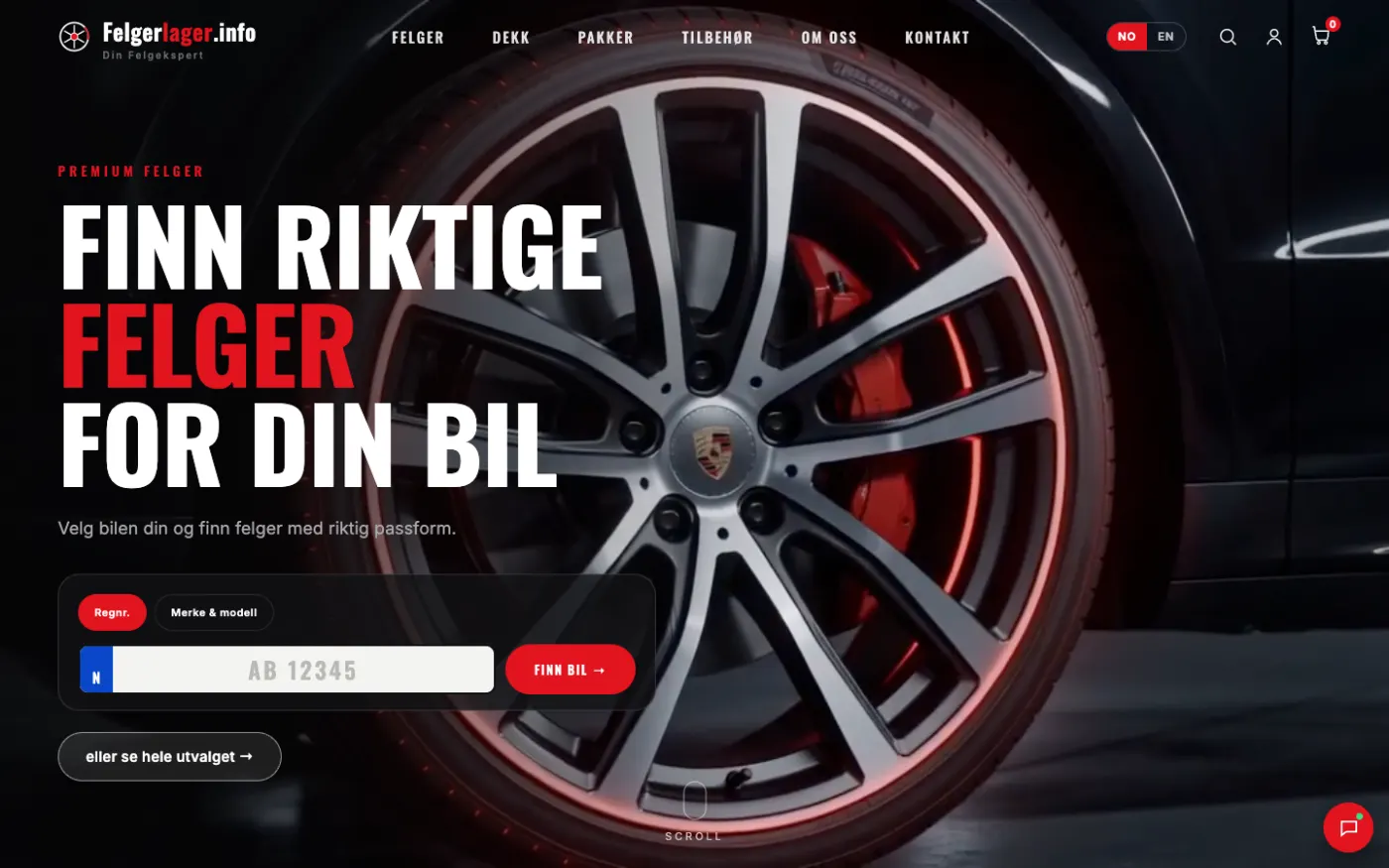
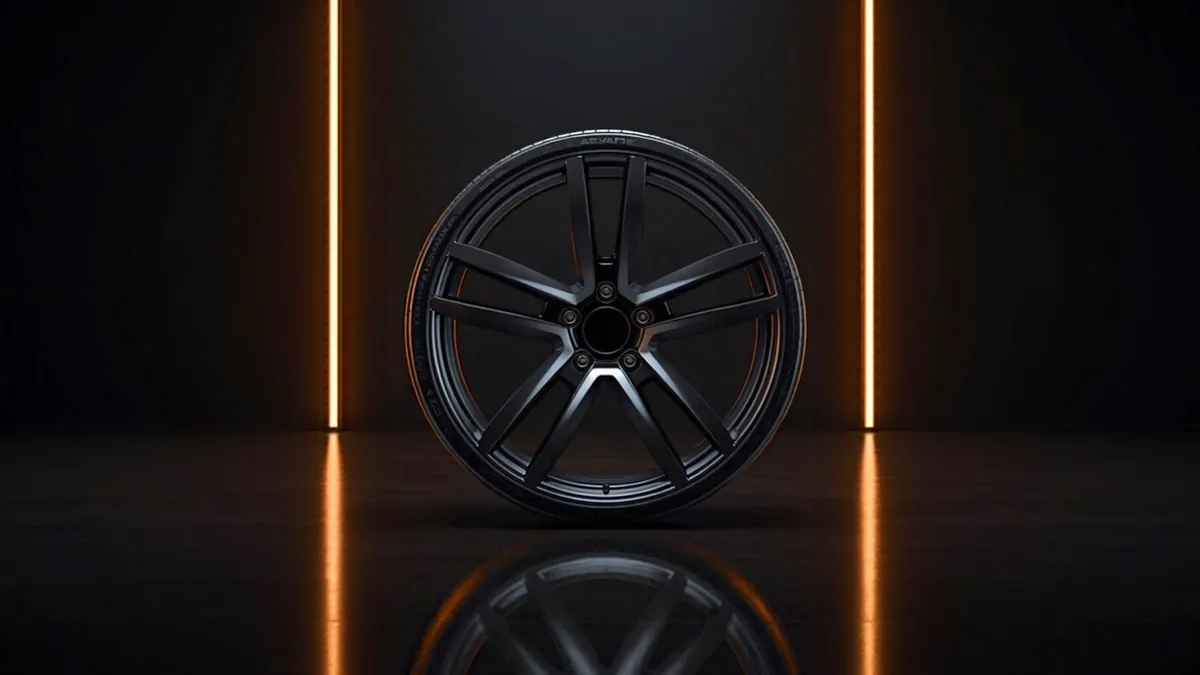
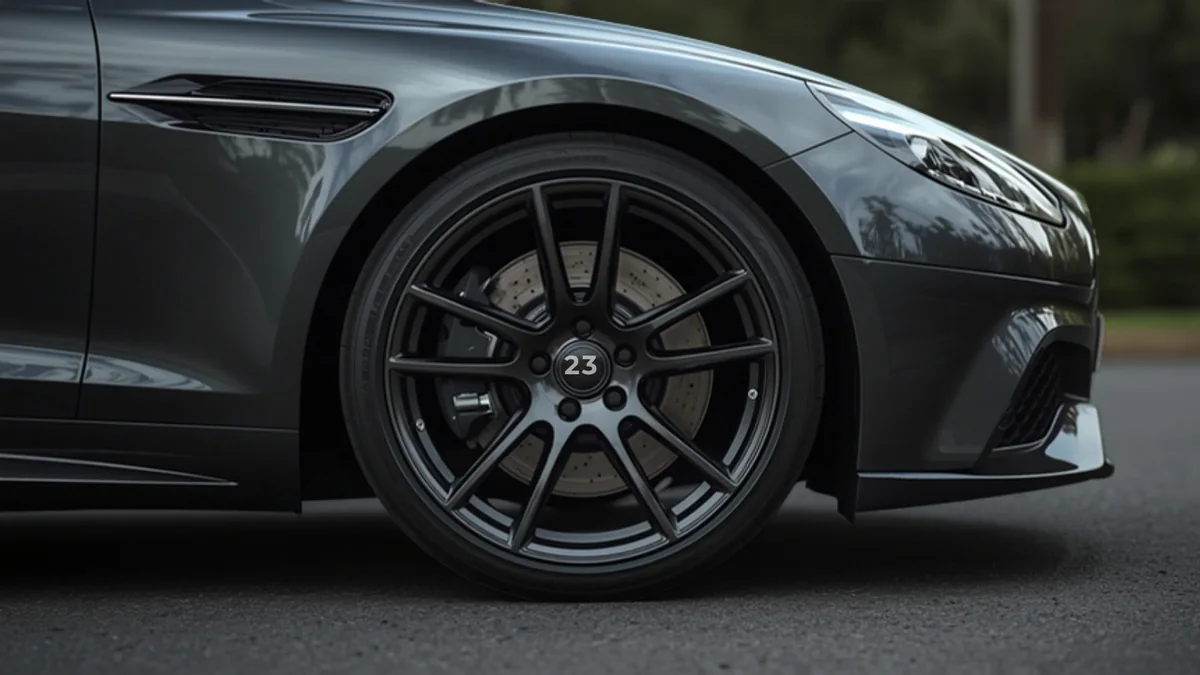
← All WorksThe home page hero video: a car and a wheel in studio light (5 s, looped).
Product
Felgerlager.info, a wheel webshop for the Norwegian market, felgerlager.info
What it is
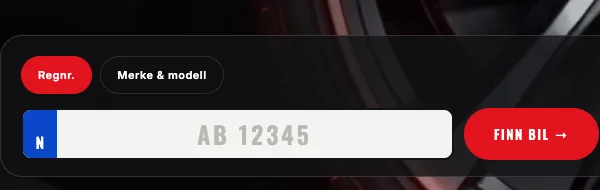
A wheel shop with search by car registration number: «show me only the wheels that fit my car»
Market and languages
Norway; Norwegian and English
Timeline
first commit on 2 October 2026, live by 19 October: about 17 days, 89 commits
Scope
catalogue and nightly auto-update, studio imagery, car search and fit check, checkout, Norwegian legal pages, admin, e-mail, SEO and blog
Stack
static HTML/CSS/JS and Vercel serverless functions, Stripe, Resend, GitHub Actions
Team
OpenWeb360 OÜ together with Claude Code (an AI development assistant)
Starting point
Norway has about 2.94 million passenger cars (SSB, 2025), almost a third of them electric. Buying a winter set of wheels is routine, and demand peaks from late September to December. Competitors are workshop chains and dozens of webshops, and they compete on price, speed and trust.
The old site ran on a hand-written backend (Dokploy, e-mails through SendGrid/Mailgun). The new one needed a modern storefront, a catalogue of thousands of items without manual work, a fit check for a specific car, payment, an admin and SEO.
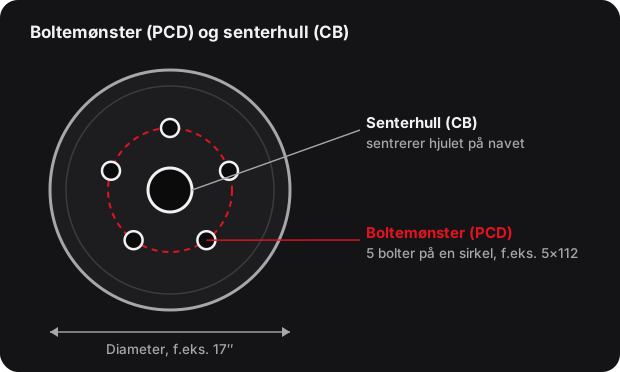
The buyer's main fear: «will this wheel fit?». The wrong PCD, centre bore or ET means a return and an unhappy customer. That is why the fit check became the main differentiator.
A constraint: the wheels are aftermarket, non-OEM (brands Racing Line and Haxer, from a B2B wholesaler in Lithuania). So nothing may mislead: no car-maker logos, clear notes, and terms that are legally clean under Norwegian law.
The task: a shop where the buyer enters a car number and sees only wheels that fit, with a catalogue that nobody fills in by hand.
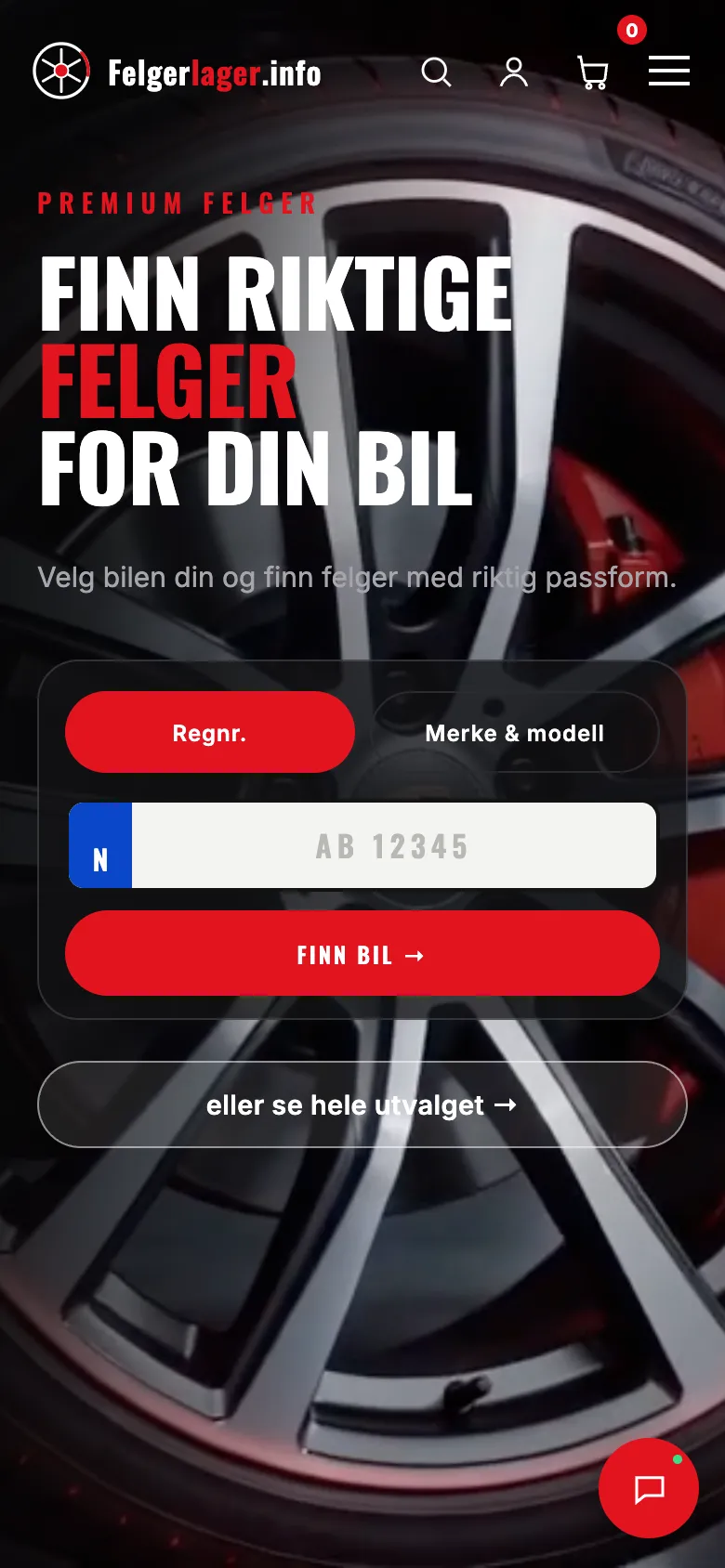
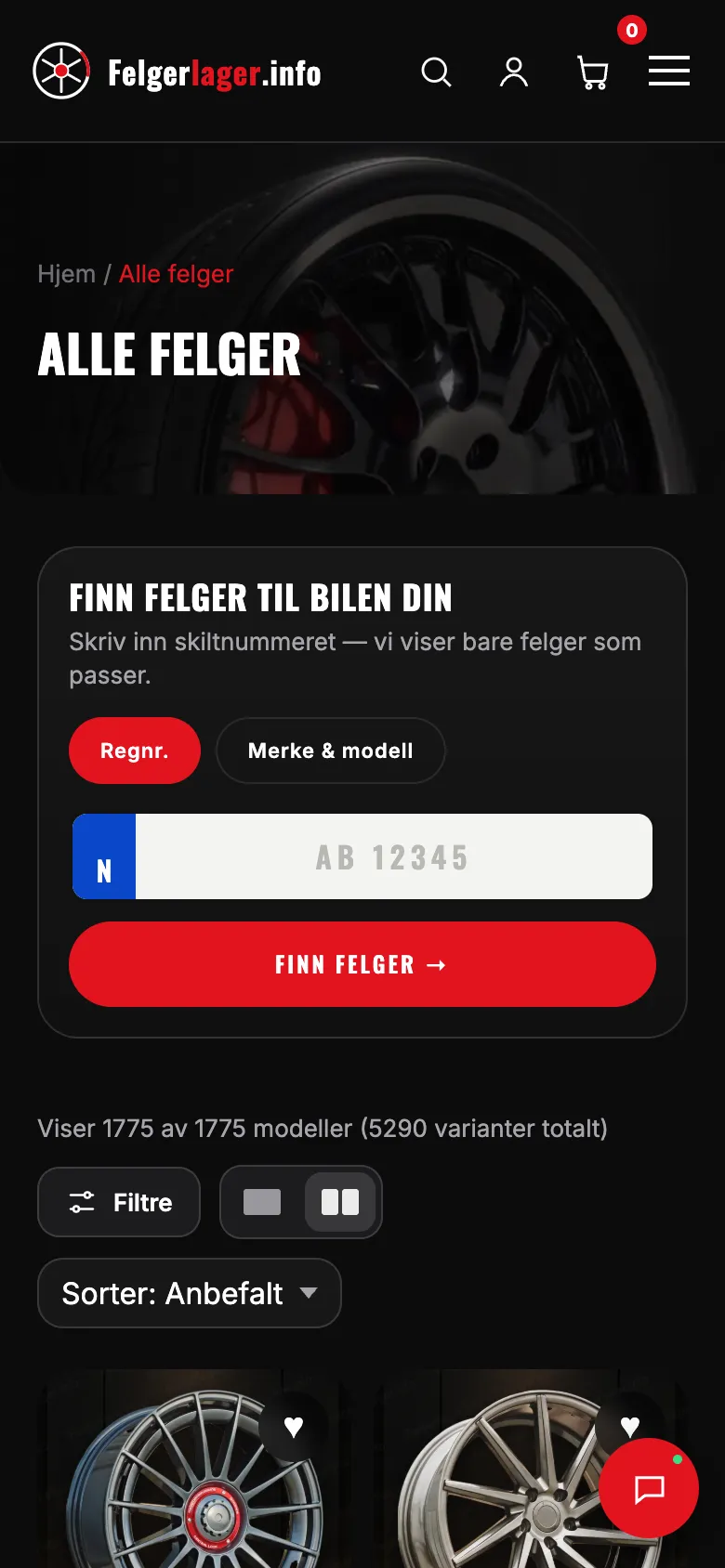
The home page: the car number field is on the first screen.The search panel: «Regnr.» or «Merke & modell».
What we did and why
1. A catalogue nobody fills in by hand
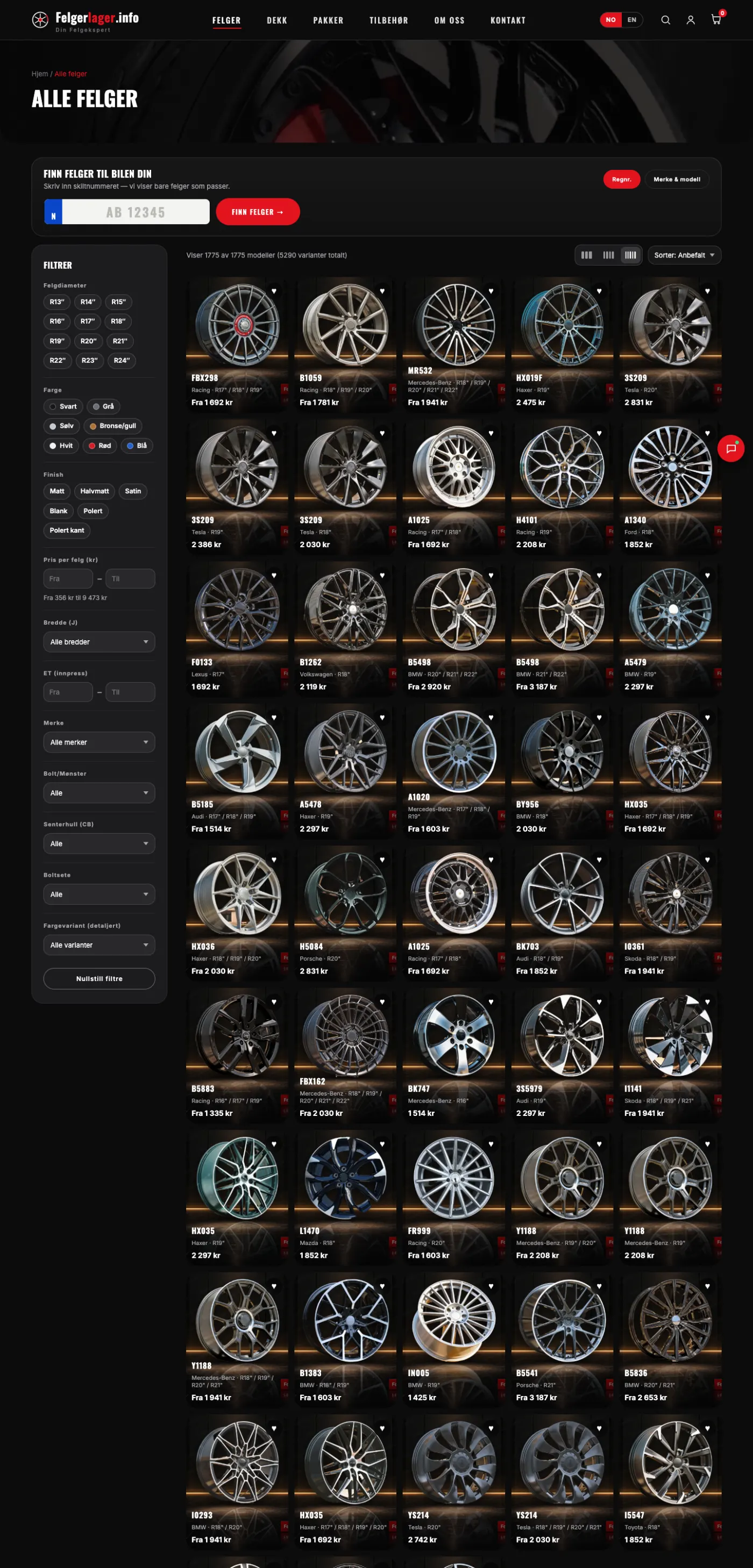
What we did. The catalogue is imported from the supplier's B2B API: 1,775 designs, 5,290 variants (size, width, ET, PCD) and 41 brands or groups. Prices run from 356 to 9,473 NOK, median 2,297 NOK, VAT included. Prices are calculated from rules in pricing.json (exchange rate, markup, VAT, adjustments by size and brand), not by hand.
The nightly update. Every night at 04:17 UTC (GitHub Actions): import, cut-outs for new designs, checks, a commit and an automatic deploy. Nightly updates are separate commits from the author catalogue-bot. Why: keeping 5,000 items by hand is not realistic, and the wholesaler's prices and stock change every day.
The catalogue: 1,775 models, filters by diameter, colour, PCD, width and ET (scroll inside the frame).
2. A «studio» look for the wheels
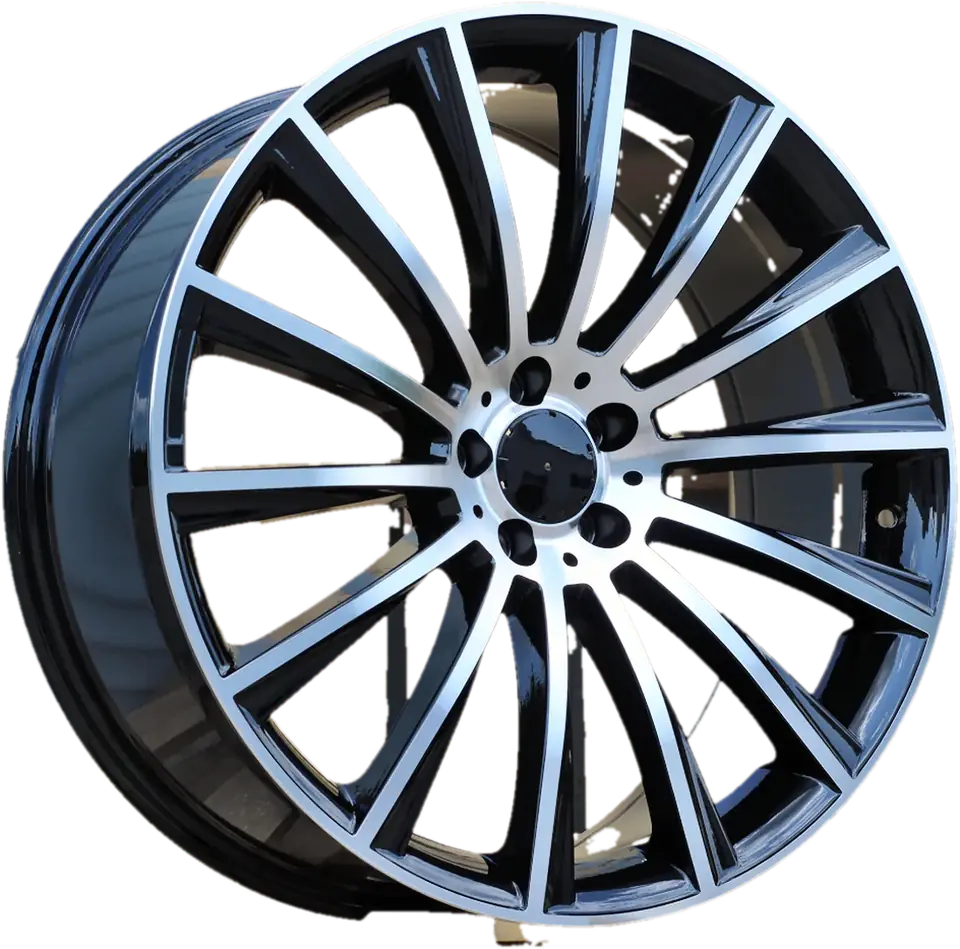
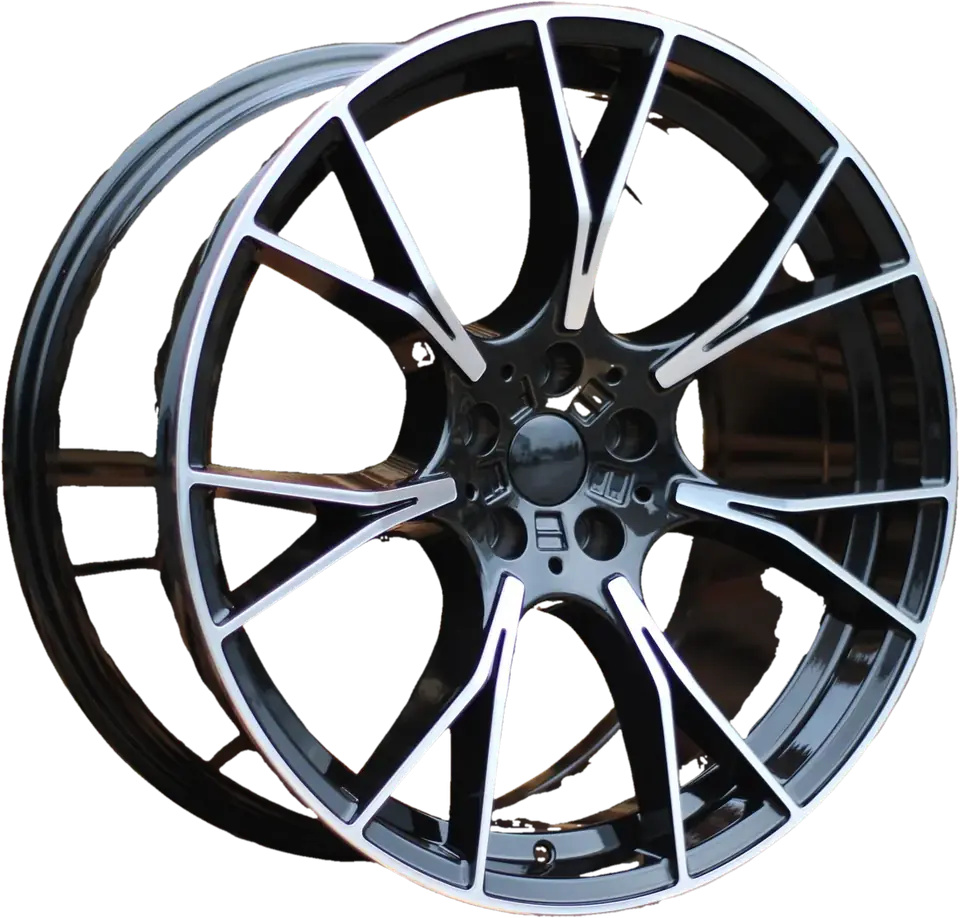
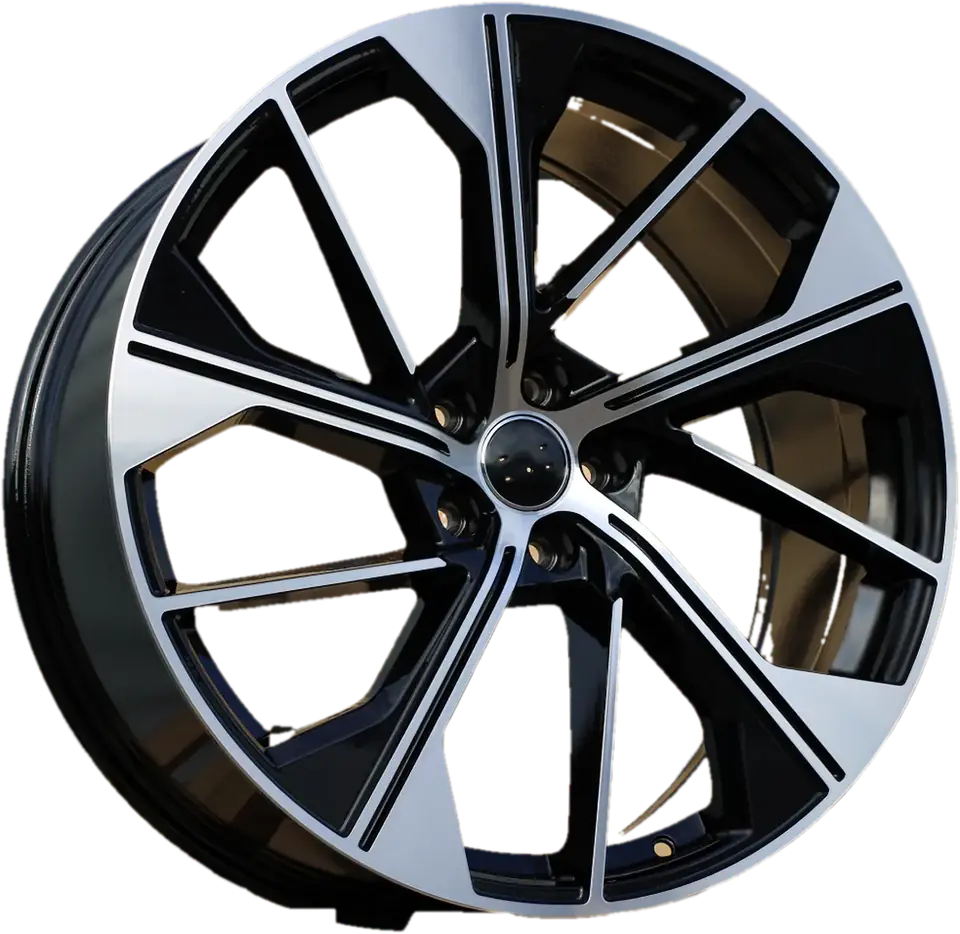
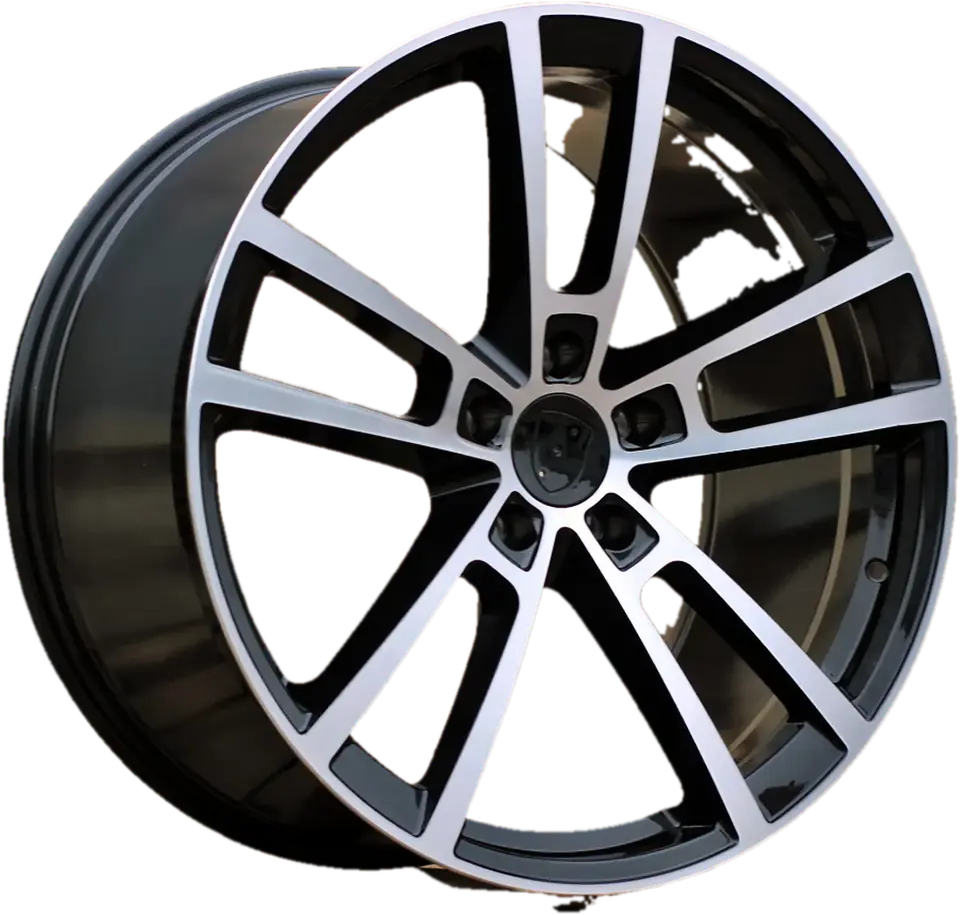
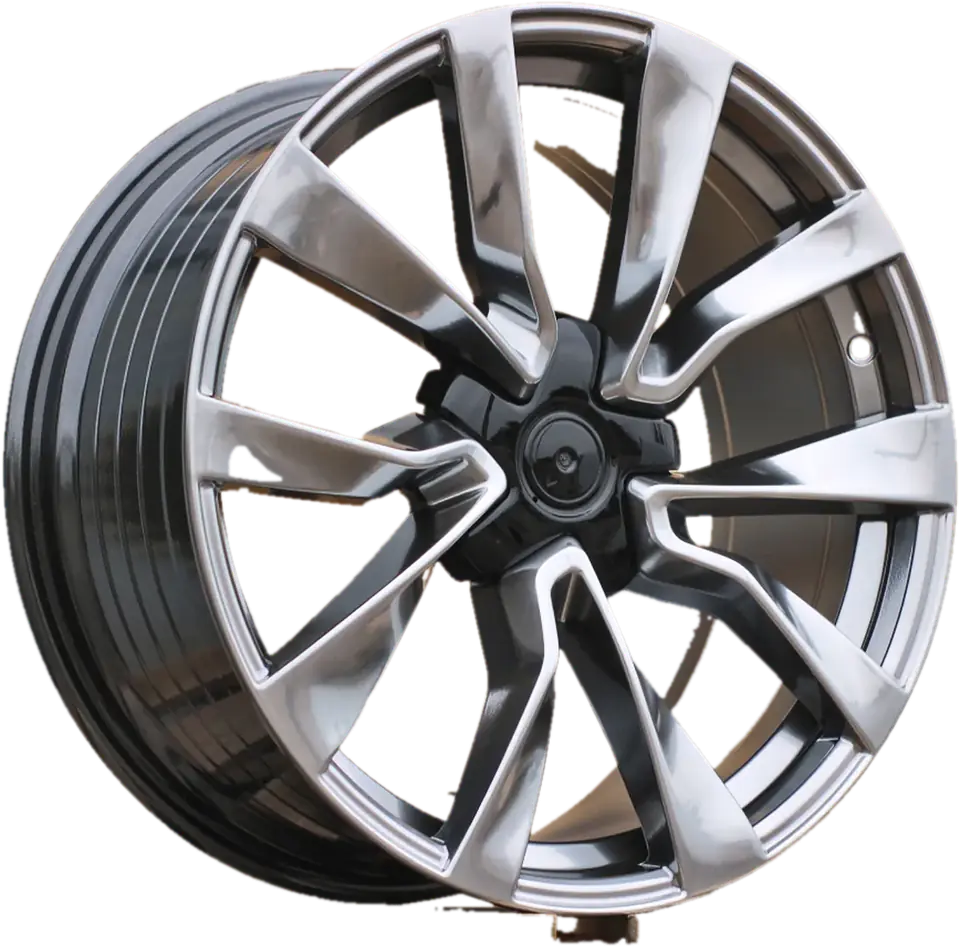
What we did. The supplier photos varied in quality, background and watermarks. For 1,771 designs the background was cut out (rembg) and the wheel was placed on one dark «studio» (a shared scene, shadows, light). The catalogue looks like one showroom, not a mix of unrelated pictures.
Why. The first impression in a shop is visual, and the source material was weak. We tried upscaling the photos with a neural network (Real-ESRGAN), but the result had «scattered» tiles. We dropped it and kept the cut-outs at original quality, checking the source resolution.
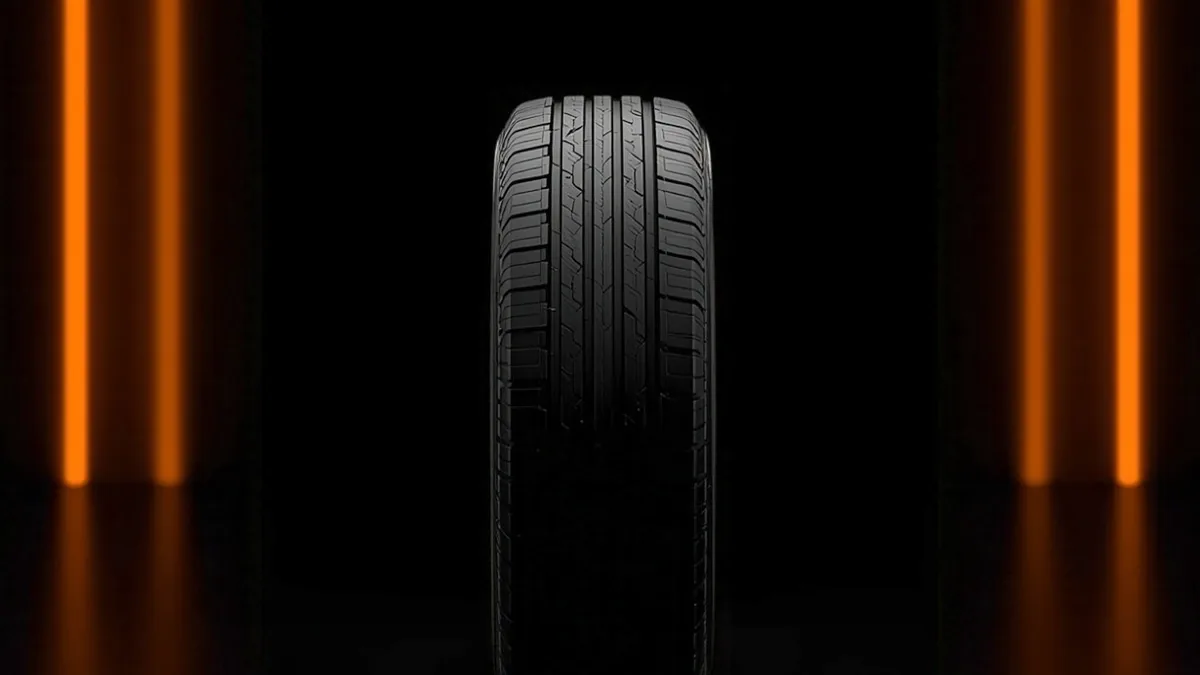
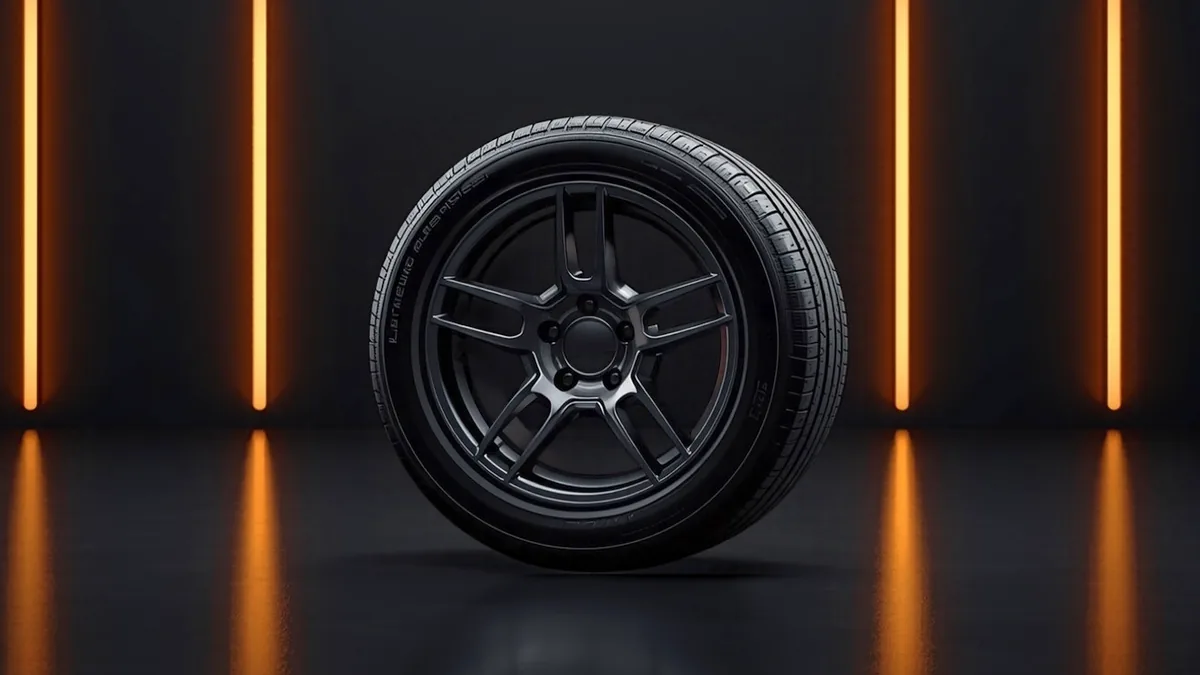
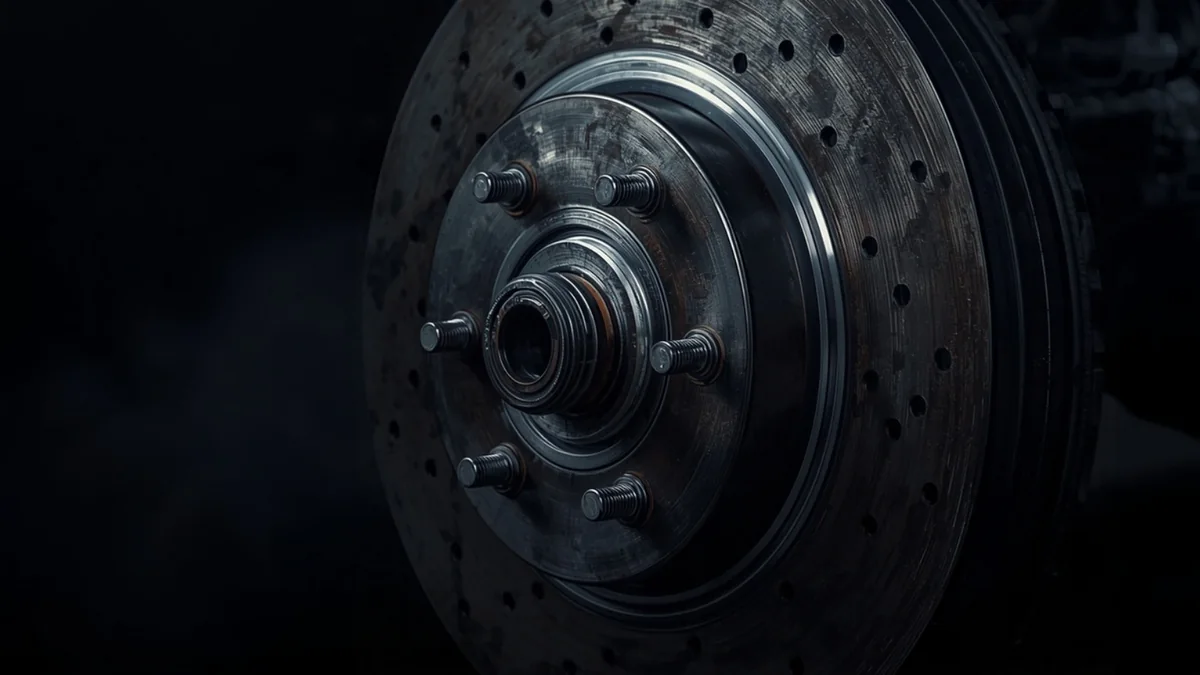
Studio cut-outs: the same scene, different designs.Category tiles: wheels, tyres, wheel sets.Section videos from the site: a wheel and a tyre up close (no sound).
3. Search by car number and fit check (the core of the project)
What we did. The chain is: number → Statens vegvesen (the vehicle register, server-side key) → Wheel-Size (PCD, centre bore, tightening torque, sizes/ET, tyres) → our own resolver and matching → a status for every wheel: «Bekreftet / Krever navring / Krever kontroll / Passer ikke».
States: found / several variants (pick the engine or modification) / manual entry if the API found nothing. This is needed because the same model has different hubs and brakes.
The interface has a «Din bil» panel, a history of recent cars, a «Passer til din bil» badge on the cards, hints about an adapter ring (navring) and a calculation of the needed diameter and width.
API keys never reach the browser: the client talks only to our own server endpoints.
Why this way. It reduces returns and builds trust. The supplier's rules and the law also require an honest note: fit data does not replace a physical check, and the site says so directly.
To be honest: there are no screenshots of fit results here, because they need a real car number. Both search modes (number, and make + model) are on the site, as shown above.
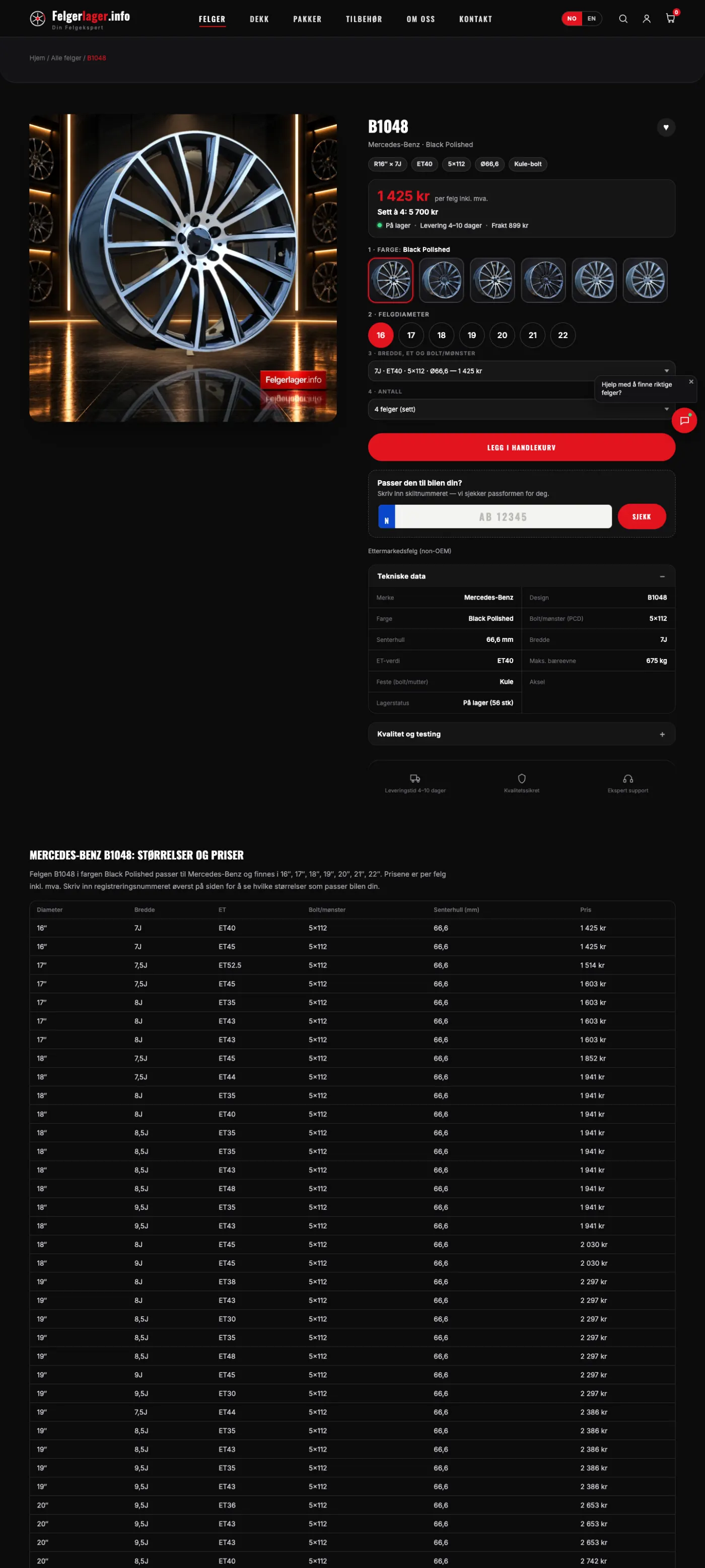
A wheel page: choice by colour and size, technical data and the number check (scroll inside the frame).
4. Buying
What we did. A cart, a checkout, Stripe (PaymentIntent), a webhook and an order to the supplier (modes off / dry-run / live). Rules: the minimum order is now 2 wheels (at the client's request, it was 4); delivery depends on the number of wheels (349 / 549 / 799 kr, a set of 4 = 899 kr), calculated from Bring tariffs, an estimate until contract rates are known.
The state of an order lives in Stripe metadata, and there is deliberately no database of our own: it is simpler, cheaper and has fewer points of failure at the start.
To be honest: Stripe is connected in test mode, live payments and the webhook address are in the «next steps». The live order format for the supplier has not been checked with a real purchase yet.
5. The legal side under Norwegian law
The terms of sale were rewritten for angrerettloven (14 days, return at the buyer's expense, a deadline for the refund), forbrukerkjøpsloven (2/5 years, the 2-month rule) and delivery within 30 days. The client's own texts (passform, retur, informasjon) are kept word for word, with structure added. The wording is neutral: «non-OEM», no car-maker logos, no country of manufacture (at the client's request), and the notes stay in the catalogue and the terms.
6. Admin and e-mail
An owner admin: a password login (a signed HttpOnly cookie, an attempt limit, 12 hours), an order list from Stripe (customer, address, car, items, totals, refunds), statuses, a tracking number, a note, an e-mail to the customer on dispatch and a readiness panel. The interface is in Russian and Norwegian.
E-mail: the domain is connected to Resend (SPF, DKIM and DMARC verified), the contact form and order notifications go to the client's mailboxes.
A broader admin (products, roles, a customer base, promo codes, mailings, analytics) is not built: it is a separate stage and needs a database. The client has not yet confirmed that the e-mails really arrive.
7. SEO from zero
Prerendering. Instead of one JS product page there are 1,775+ separate static pagesfelge-<key>.html: the name, price, sizes and fit table are already in the HTML, so Google sees the content without running scripts. They are generated on every deploy and are not committed to the repository.
A sitemap of about 1,800 URLs (rebuilt overnight), meta tags, OG and JSON-LD (Organization, WebSite, Product, Article, FAQ, Breadcrumb).
A redirect from www to the main domain (Google had chosen www as primary, fixed), Search Console verified through DNS, the sitemap submitted.
The blog «Guide og råd»: 8 articles in Norwegian (choosing wheels, ET, PCD and centre bore, tyre size, larger wheels, steel vs aluminium, TPMS, tightening torque) and three technical SVG diagrams. The covers are AI illustrations (Canva) and photos (Unsplash).
GA4 is prepared (with a consent banner, nothing loads before consent), but the measurement ID is not connected yet.
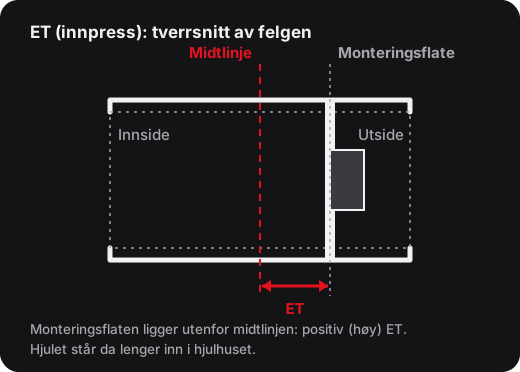
Blog covers (AI illustrations and photos, not product shots).Three technical diagrams from the articles.
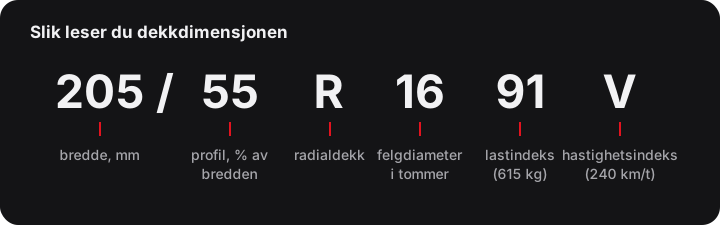
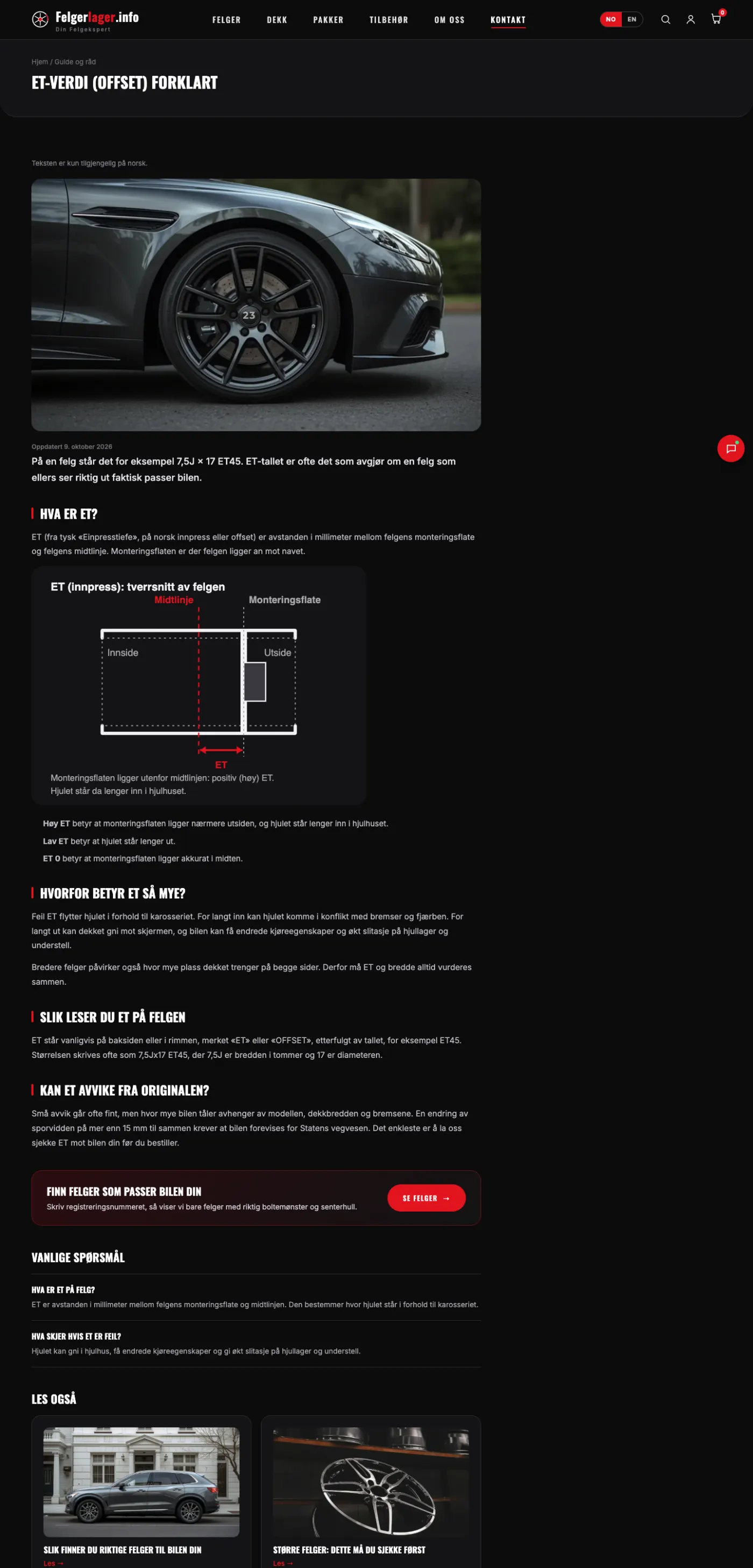
An article about ET with a diagram (scroll inside the frame).
8. Interface and small things rarely written about
Mobile: a bottom sheet instead of drop-down lists, the iPhone safe area, the chat button raised.
A custom make and tyre picker: a large window with search, makes in alphabetical order on screen at once (the client's request: a native list shows only one make).
Two languages (Norwegian and English) through our own lightweight runtime translator, not a heavy i18n library.
A sales assistant (chat) for choosing, a favicon, a PWA manifest.
The mobile view: the home page and the catalogue.The shared studio scene for all wheels.
9. Architecture
Static HTML/CSS/JS with no framework and Vercel serverless functions (Node, no dependencies): 7 server endpoints (vehicle, fitment, checkout, order, the Stripe webhook, contact and admin). Deploy: GitHub → Vercel (automatic on every push); the build produces a dist folder (~350 MB, ~5,400 files, of them 1,775 wheel cut-outs and 1,775 prerendered pages). Tests: 6 suites of automatic checks (catalogue, fit matching, the car pipeline, orders and delivery, the contact form, the admin) plus an asset-link check on every build and in the nightly job. The API has no dependencies of its own, which means less maintenance and fewer breakages.
Before and after
What
Before
After
Backend and deploy
a hand-written backend, Dokploy
a static site, Vercel, automatic deploy from GitHub
E-mails
SendGrid / Mailgun
Resend, SPF/DKIM/DMARC verified
Catalogue
supplier data and manual work
1,775 designs, updated every night by itself
Imagery
mixed quality, backgrounds and watermarks
1,771 designs in one studio scene
Product page
a single JS page
1,775+ separate indexable pages
What we gave up
A database at the start. Orders live in Stripe, the catalogue in a file. The gain: speed and simplicity. The cost: a broader admin needs a database (a future stage).
A CMS, WordPress or Shopify. We needed a non-standard car search and a nightly import, and ready-made platforms would have run into plugins and a subscription.
Neural upscaling (Real-ESRGAN). Artefacts, so we kept the cut-out at its original quality.
A hidden link to our studio in the footer. It was an idea for the studio's SEO, but Google treats hidden links as spam and it could hurt both sites. The client asked to remove the credit, so it is gone completely.
Photos at any cost. We removed photos with Russian plates and car-maker logos (the terms say plainly that the wheels carry no car-maker logos) and did not use paid Unsplash+ images.
Stock photography. The images are Canva AI and Unsplash (a free licence). The AI illustrations are not product photos, and we say so openly.
The old backend (Dokploy, SendGrid, Mailgun). Replaced with Vercel and Resend.
Trade-offs and downsides
Honestly, what got worse or is still unfinished:
A heavy build: ~350 MB and ~5,400 files, so a deploy is slower than for an ordinary site. Prerendering needed a complex build, and Python has to work at deploy time.
The nightly update once broke the site (see below).
Some images are AI illustrations, not photos of real products, and the client may want to replace them.
The long non-OEM note is removed from the product card (at the client's request), and the full text stays in the catalogue and the terms. It is a legal compromise that we raised with the client.
«Min side» (the buyer account) is a demo in the browser for now, not a real account. Tyres are on request only, delivery is an estimate, not a contract rate, and an order to the supplier has not been checked with a real purchase.
Mobile speed: a Lighthouse run on 19 October 2026 showed Performance 86 and LCP of 3.8–4.0 s on the home page (a large hero image and video), which is room for improvement.
Hard moments and how we solved them
1. The catalogue disappeared for several days
Problem
from 10 to 12 October the product cards did not render.
Cause
the nightly import overwrote catalog.js and erased our function that builds the product page links.
Fix
found from the client's screenshot. We fixed it, added an automatic test that will not let this through, and version hashes on JS/CSS (?v=<hash>) so browsers do not keep stale files.
2. Google chose www as the primary address
Problem
the wrong version was being indexed.
Cause
both the www and the bare addresses were available.
Fix
a redirect to the main domain and a canonical.
3. A photo with a plate from the wrong country
Problem
a photo with a Russian plate got into a blog article.
Cause
my oversight in choosing the image, the client noticed.
Fix
replaced it with a Scandinavian one and added a rule: no Russian plates.
4. Hosting bot protection and the Canva quota
Problem
curl checks were blocked and the Canva image limit ran out mid-work.
Cause
the host's anti-bot and a free quota.
Fix
we check from a browser, and the missing covers came from Unsplash.
How we worked
Short iterations with the client: several feedback rounds, the latest with 12 points (admin, image replacements, the mobile version, legal wording, quantity 2/4, the footer, the make list and others). Almost all were closed the same day.
Every change was checked on the live site in a browser (desktop and mobile width), not «by eye» from the code.
Tests and automatic checks on every deploy, honest reports to the client: what is done, what is not and why.
Keys and passwords are never shown anywhere: the admin password and the mail key are entered through scripts without displaying them and are stored in Vercel.
Results
Only what can be checked:
1775wheel designs in the catalogue
5290variants (size, width, ET, PCD)
41brands or groups
~1800URLs in the sitemap
17days from the first commit to live (89 commits)
6automatic test suites
Lighthouse (mobile), measured 19 Oct 2026
Performance
Accessibility
Best Practices
SEO
LCP
Home page
86
98
100
100
3.8–4.0 s
A wheel page
84–86
87
100
100
3.8 s
A working shop in production: search by car number, Stripe (in test mode), e-mails, an admin, a blog, Search Console verified and access given to the client.
A single visual style for the wheels instead of a mix of photos, legally reviewed terms, a mobile version and fast search (by name, make, colour, bolt pattern and diameter).
We are not publishing business metrics yet (search positions, traffic, first orders and conversion): the site has only just launched. We will update this case when the data exists.
What is next
Switch on live Stripe payments and the webhook address, and place one trial order with the supplier.
Connect the GA4 ID, add the company's postal address to the terms, and file the Racing Line certificates (ISO/TS 16949, VIA, JWL) in the client's archive.
Improve mobile speed (LCP) on the home page and the wheel page.
Stage 2: a broader admin on a database (products, roles, customers, promo codes, mailings), a real buyer account, and a shop for tyres and «wheels + tyres» sets.
Lessons
Sell against the buyer's fear. «Will it fit?» is the most expensive question. A fit check is worth more than a pretty home page.
An automatic import needs a test. A nightly job that overwrites files must be guarded by a test, or the client will be the first to notice a break.
Prerendering is a must for SEO when the catalogue is large: 1,775 pages in HTML beat one page in a script.
Honest limits create trust. A note that «fit does not replace a physical check» and openness about non-OEM protect both the buyer and the shop.
Do not start with a database. Stripe metadata and a file covered the start, and a database comes when the admin really needs it.